I have always been on the lookout for shaving and hair removal methods that are both safe and effective. Whether it involves beard grooming for men or removing hair from the legs and underarms for women, following the correct steps and care routines can keep the skin smooth and healthy while minimizing irritation and the problem of ingrown hairs. After years of experimentation, I have compiled a few practical tips and insights that I hope will be helpful to you as well.
Shaving: Balancing Comfort and Efficiency
For me, shaving is not merely a part of my daily hygiene routine; it is also a small personal ritual. Whether I am rushing out the door early in the morning or taking my time to groom my beard on a weekend, I always adhere to a few key steps:
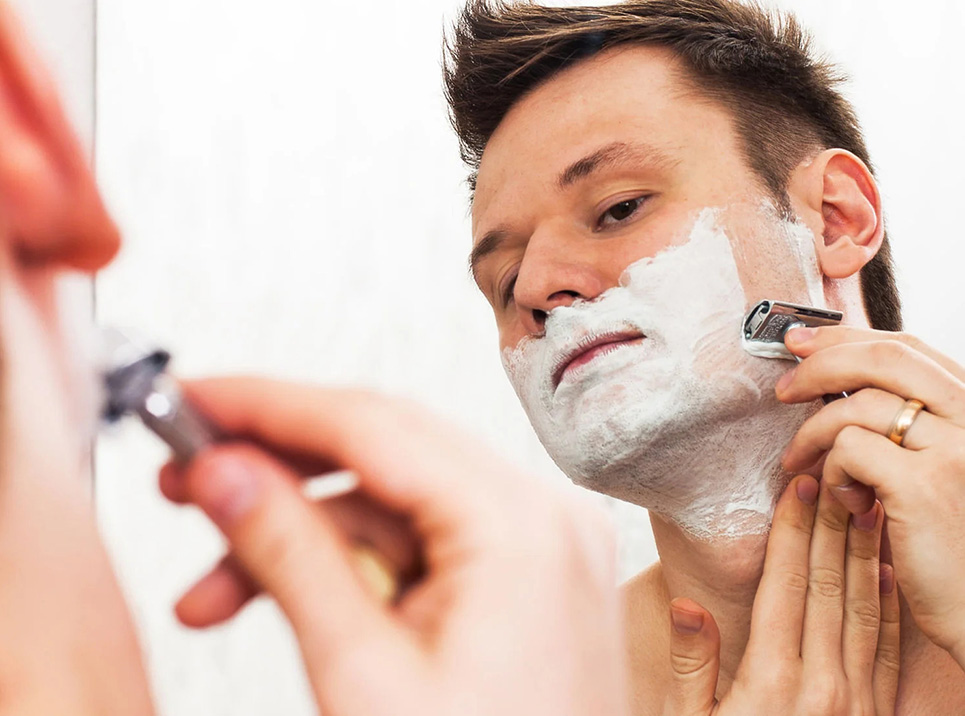
1.Soften the Hair: I typically start by washing my face with warm water to open up my pores and soften the hair; this makes for a smoother shave and reduces the risk of nicks and cuts. If time permits, I also like to apply a hot towel to my face for 1–2 minutes for even better results.
2.Choose the Right Tools: Personally, I prefer using a multi-blade razor with a lubricating strip; it glides smoothly and minimizes irritation. Those with sensitive skin might consider using an electric shaver, which reduces tugging on the skin and helps prevent redness and swelling.
3.Shaving Technique: I begin by gently shaving with the grain (in the direction of hair growth), and then—for areas with denser stubble—I make light strokes against the grain. Remember not to apply too much pressure, as this can lead to nicks, cuts, or folliculitis.
4.Post-Shave Care: Once I’ve finished shaving, I rinse my face thoroughly with warm water and then apply an alcohol-free aftershave balm or moisturizing lotion to soothe and hydrate the skin. This step is crucial; skipping it can easily result in red bumps or a stinging sensation.
I’ve found that once you master the techniques of softening the hair, selecting the right tools, and following the correct shaving sequence, the process becomes not only efficient but also ensures your skin remains smooth—staying free of itchiness or ingrown hairs for days on end.
Hair Removal Methods: Finding the Right Approach for You
Compared to shaving, hair removal—for me—requires a more meticulous and long-term approach to skincare. Whether removing hair from the legs, underarms, or even the arms, it is essential to choose a method that is appropriate for the specific body area and your skin’s tolerance level.
1.Razor Shaving
This is my most frequently used and fastest method—perfect for those weekends when you need smooth skin on short notice. I always start by dampening my legs or underarms with warm water, then applying a shaving cream or foam to minimize friction and irritation. After shaving, I make sure to apply a moisturizing lotion to prevent dryness or redness. A helpful tip is to shave in the direction of hair growth to reduce the risk of ingrown hairs; I take extra care to use gentle strokes when shaving sensitive areas like the underarms and bikini line.
2.Hair Removal Creams
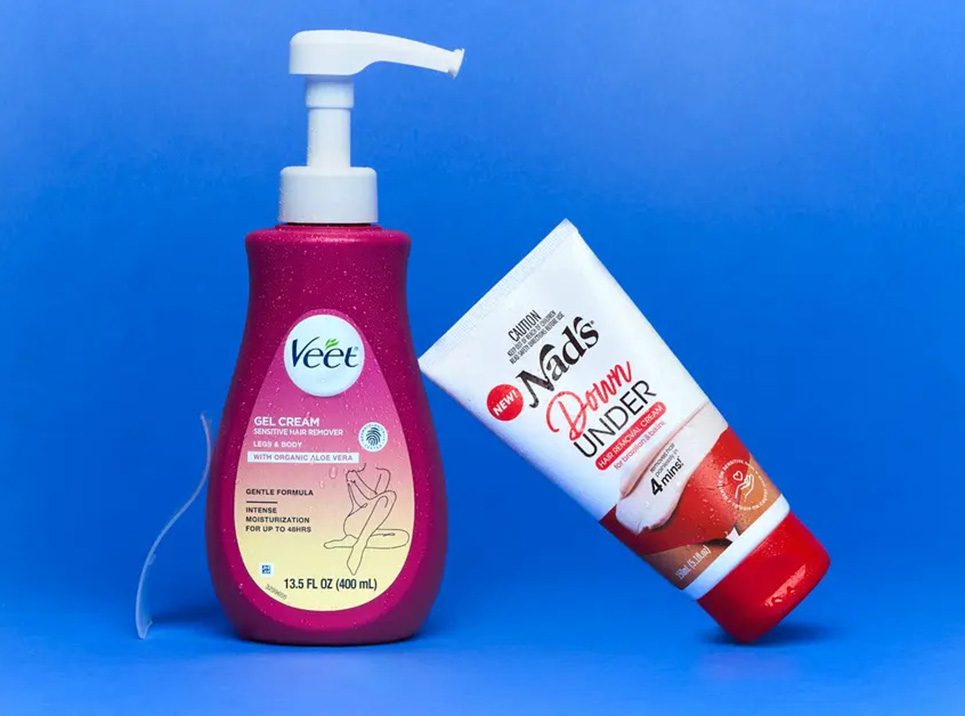
Hair removal creams offer a chemical method of hair removal that works by dissolving the keratin in the hair shaft. I have tried formulas specifically designed for sensitive skin, always performing a patch test on my inner arm beforehand to ensure I don’t have an allergic reaction. When using the product, I apply it evenly and strictly adhere to the waiting time specified in the instructions; afterward, I remove the cream using a spatula or by rinsing it off with water. The advantages of hair removal creams are that they are quick and painless, though I do not recommend using them too frequently to avoid skin irritation.
3.Waxing
Waxing is a long-term hair removal method I occasionally opt for, particularly for my legs or arms. Compared to shaving with a razor, waxing keeps the skin hair-free for a longer period, and when the hair eventually grows back, it tends to be finer and softer. It is crucial to perform the procedure on clean, dry skin and to immediately apply a soothing, moisturizing balm afterward. I’ve found that while this method can be painful, the results are impressive—making it a worthwhile option for those with a bit of patience.
4.Laser or IPL Hair Removal
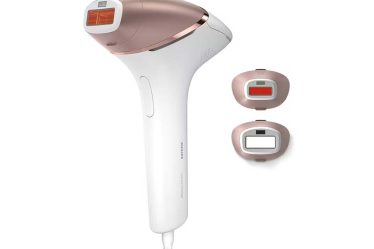
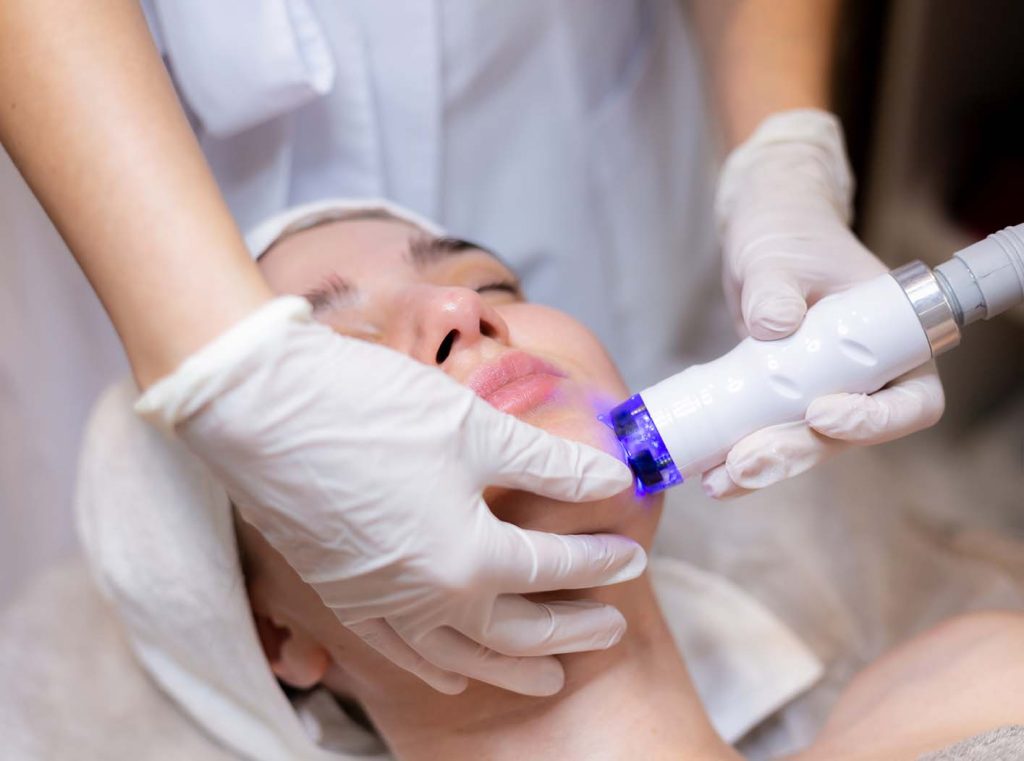
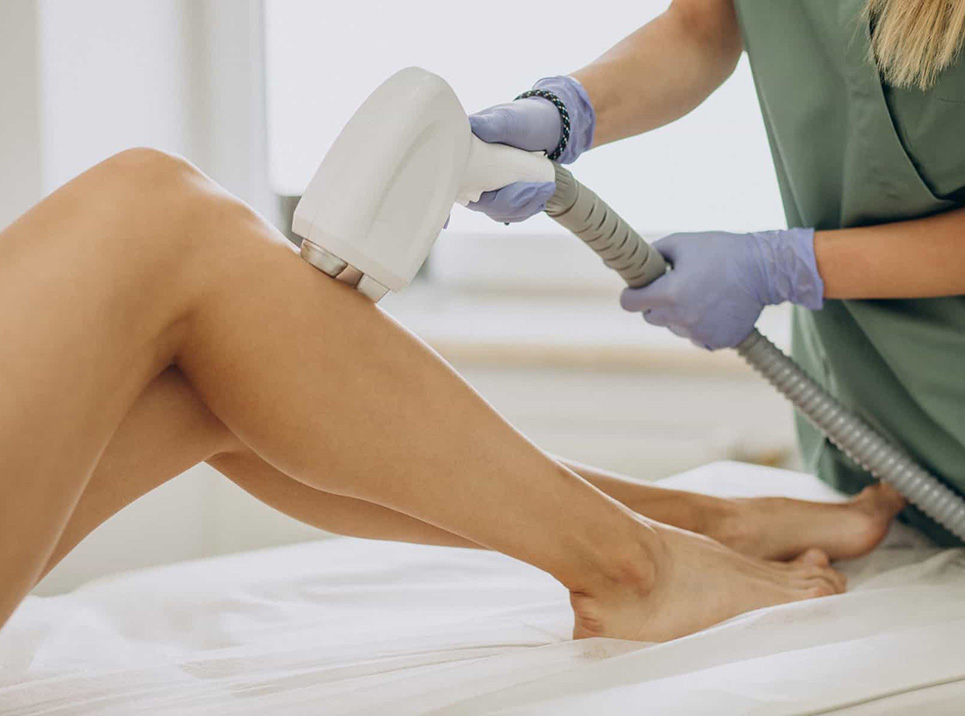
For those seeking long-lasting results, I have tried laser hair removal, and the effects are indeed very durable. Laser treatments work by destroying hair follicles to inhibit hair growth, though this typically requires multiple sessions and comes with a higher price tag. Post-treatment care is essential: one must prioritize sun protection and moisturizing to prevent issues like hyperpigmentation. Based on my personal experience, laser hair removal keeps the skin smooth for extended periods and is particularly effective for areas like the underarms and bikini line.
Post-Hair Removal Skin Care
Regardless of the hair removal method used, proper aftercare is crucial. Here are my key takeaways:
- Keep it Clean: The skin tends to be sensitive after hair removal, so avoid using products containing alcohol or harsh ingredients.
- Soothe and Moisturize: I like to use aloe vera gel or a gentle moisturizing lotion to help restore comfort to the skin.
- Avoid Friction: For 24 hours after hair removal, try to avoid wearing tight clothing or engaging in activities that cause friction (such as vigorous exercise) to prevent irritation or redness.
- Sun Protection: If the treated area will be exposed to sunlight, be sure to apply sunscreen to minimize the risk of hyperpigmentation. I’ve discovered that proper post-hair removal care not only minimizes redness and stinging sensations but also leaves the skin smoother and more refined, giving it a healthy, radiant glow.
Tips & Tricks: Making Shaving and Hair Removal More Comfortable
Through repeated practice, I’ve compiled a few daily tips:
- Trim Regularly: Excessively long hair on the legs or underarms makes shaving or hair removal more difficult; I always use a small pair of scissors to trim the hair down beforehand.
- Choose Gentle Products: If you have sensitive skin, it is crucial to select a gentle shaving cream or hair removal cream to minimize allergic reactions and reduce redness and swelling.
- Plan Your Timing: It is best to schedule hair removal for a weekend or a day off to avoid rushing the process during a busy period, which could lead to accidental injury.
- Mind the Order: Cleanse first, remove hair second, and moisturize last—following this sequence ensures your skin remains smooth for an extended period.
Shaving and Hair Removal: A Small Ritual to Boost Confidence
Shaving and hair removal are more than just acts of personal hygiene; they are small rituals of self-care. By experimenting with various methods, I’ve developed a routine that works best for me—one that keeps my skin smooth and healthy while minimizing pain and irritation. Whether opting for a quick shave with a razor or a longer-lasting laser treatment, mastering the proper techniques and aftercare ensures your skin remains soft and smooth, thereby boosting your daily confidence.
Every time I finish shaving or removing hair, I am left with a sense of neatness, comfort, and self-assurance. This small ritualistic feeling not only makes me look clean and fresh but also lifts my spirits. For me, shaving and hair removal are not merely about grooming my physical appearance; they are a way to enhance my quality of life and cultivate a deep sense of personal fulfillment.