Bathing may seem like a simple act, yet it is a crucial component of maintaining healthy skin and soothing both body and mind. Mastering the correct frequency, sequence, and water temperature for your showers not only cleanses the skin but also ensures your body receives the maximum benefit from your daily care routine. I’d like to share some of my own experiences in the hope that they prove helpful to you as well.
1.Bathing Frequency – Staying Fresh Without Excessive Dryness
I typically shower once a day, increasing the frequency to twice daily during the summer or after exercising. A daily shower is suitable for most office workers and students; it effectively removes surface oils and dust from the skin while avoiding the excessive cleansing that can lead to dryness. Showering twice a day is appropriate for those living in hot climates or individuals who accumulate significant sweat and oil after physical activity; however, it is important to avoid the frequent use of harsh cleansing products to prevent compromising the skin’s natural barrier. If you have particularly dry skin, you might consider showering every other day, using a gentle body wash, and prioritizing intensive moisturizing.
My personal experience suggests: In the summer, applying a lightweight, refreshing body lotion after a morning shower keeps me feeling comfortable and fresh all day long. In the winter, taking a hot shower in the evening followed by the application of a rich, heavy body cream makes it easier to fall asleep and prevents the skin from feeling tight or taut.
2.Bathing Sequence – From Top to Bottom for a More Thorough Clean
The order in which you wash your body affects not only the efficacy of the cleansing process but also your overall skin health. I typically follow a “Head → Torso → Limbs” sequence; this method prevents cross-contamination between dirt from the hair and the body, ensuring that every area receives a thorough and complete cleanse.
- Washing Your Hair: Begin by cleansing the scalp and hair strands to remove excess oil, sweat, and residue from styling products. Massaging the scalp for a few minutes not only ensures a deep clean but also stimulates blood circulation, contributing to healthier hair growth.
- Cleansing the Upper Body: The shoulders, neck, arms, chest, and back are areas prone to the accumulation of sweat and dust. I prefer using a gentle body wash and massaging these areas with light, circular motions; this not only removes sweat but also helps alleviate tension in the shoulders and neck, allowing both the body and mind to relax simultaneously.
- Cleansing the Lower Body: The legs, ankles, and the spaces between the toes are areas where bacteria and sweat tend to accumulate, requiring careful and thorough washing. I pay particular attention to the tops of the feet and the gaps between the toes, gently scrubbing them to minimize odors and bacterial growth while taking care to avoid excessive friction that could damage the skin.
Pro Tip: I usually pair this with a soft bath towel or a body brush, using gentle circular motions to massage my skin. This not only helps slough off dead skin cells but also stimulates blood circulation, leaving the skin smoother and more revitalized. Maintain a gentle pace during your shower—avoid vigorous scrubbing—and turn every bath into a small ritual for physical and mental relaxation.
3. Water Temperature – Avoiding Burns While Protecting the Skin Barrier
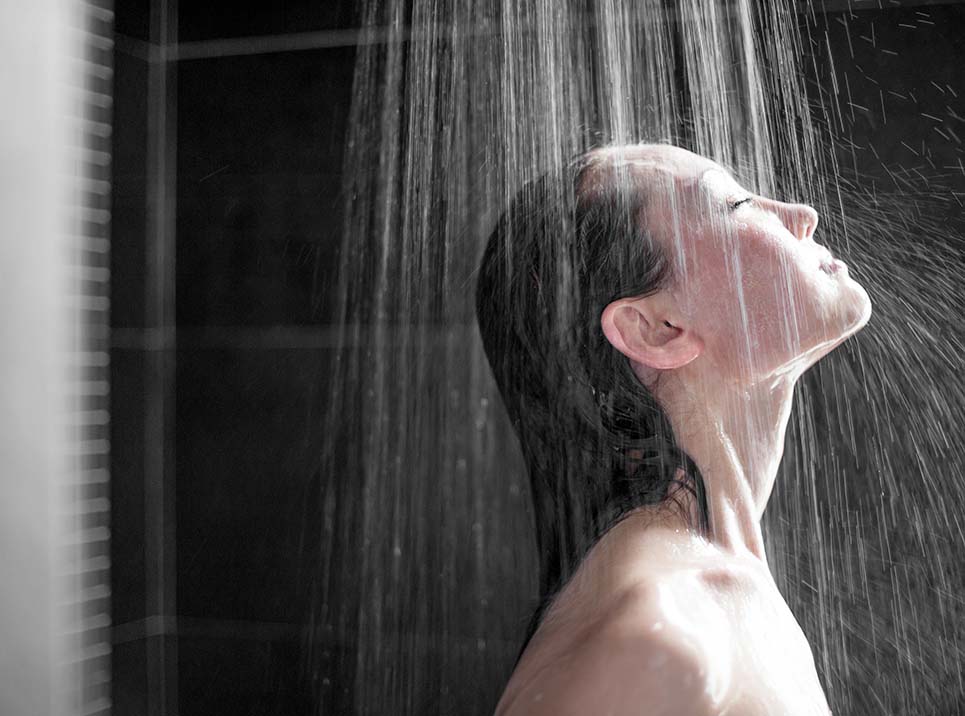
Water temperature plays a crucial role in skin health during a shower. I typically keep the water temperature between 36°C and 40°C; this range feels comfortable without damaging the skin’s natural barrier.
Overly Hot Water: While hot water may feel relaxing and comforting at first, prolonged exposure strips the skin of its natural oils, leading to dryness and tightness. In severe cases, it can even cause peeling or itching.
Warm Water: This is the ideal temperature for daily cleansing. It effectively removes sweat and dirt without irritating the skin barrier, while also helping to soothe tension in the shoulders, neck, and muscles.
Cooler Water: Finishing a shower with cooler water leaves the skin feeling firm and refreshed, while also boosting blood circulation. However, during the winter, introduce cooler water gradually to avoid feeling uncomfortably cold.
Personal Insights:
- Summer Tip: After a warm shower, try a quick rinse with cool water to stimulate the body and rapidly lower your core temperature. This leaves you feeling instantly refreshed and revitalized, while also helping to better regulate skin oil production.
- Winter Tip: Stick to warm water showers, then immediately apply a rich moisturizer or body oil to lock in hydration and keep your skin soft and supple.
- Full-Body Care: During your shower, use a soft towel or body brush to gently massage your skin in circular motions. This helps the warm water lift away dirt and impurities while stimulating blood circulation, resulting in smoother skin.
By carefully controlling the water temperature and following this sequence, your shower becomes more than just a cleansing routine—it transforms into a dual experience of skincare and relaxation.
4. Post-Shower Moisturizing – Locking in Hydration to Nourish Your Skin
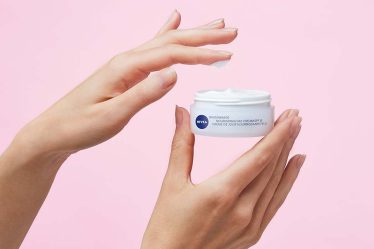
Immediately after a shower, the skin is most prone to moisture loss, making proper hydration at this stage absolutely critical. I typically apply a body lotion or moisturizing oil within 3 to 5 minutes of stepping out of the shower to effectively lock moisture into my skin.
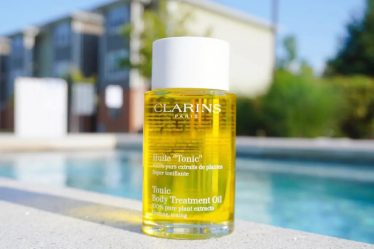
Lightweight Lotions: Ideal for summer use; they feel fresh and non-sticky while providing essential hydration. Moisturizing Cream or Body Oil: Ideal for the autumn and winter seasons, or for dry skin types; these products form a protective barrier that prevents the skin from feeling tight or taut.
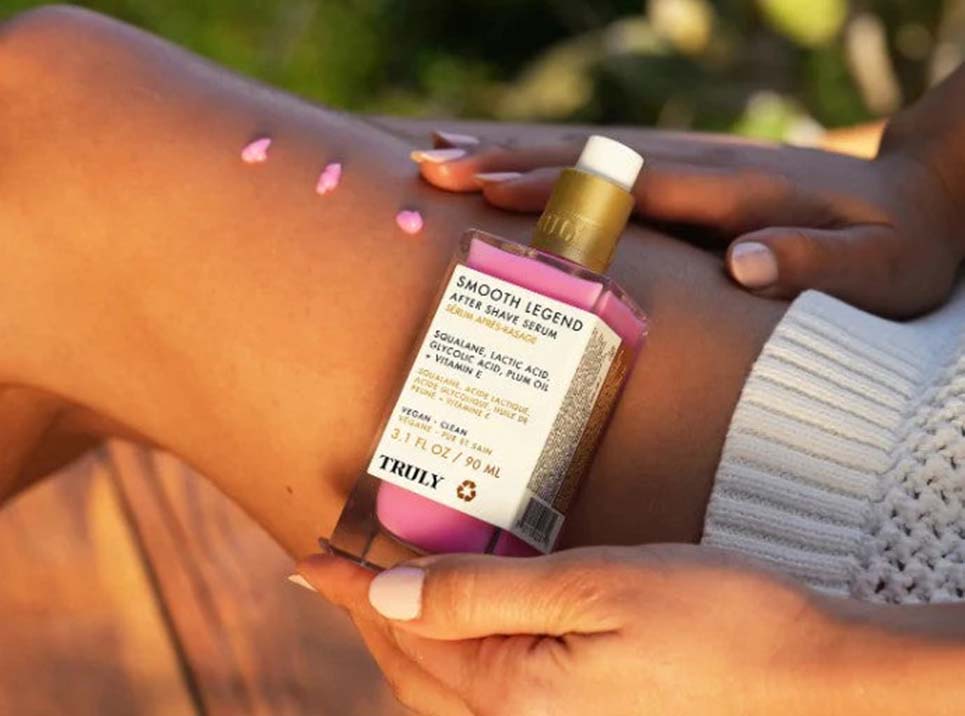
Tip: Gently pat your body dry before applying moisturizing products. Starting from your feet and moving up to your legs, then from your arms to your torso, gently massage the product into your skin following the natural grain of your skin. This technique not only aids in lotion absorption but also stimulates blood circulation, leaving your skin feeling smoother and softer.
5.Bathing: An Integral Part of Your Skincare Routine
Good bathing habits do more than just keep your skin feeling fresh; they also help regulate your mood and alleviate stress. By establishing the right bathing frequency, following a proper sequence, and using water at an appropriate temperature—combined with gentle cleansing products and body lotions—you can make your daily skincare routine significantly more effective. Bathing is not merely an act of physical cleansing; it is a ritualistic moment—a time to commune with your skin and to relax both your body and mind.