To be honest, I didn’t pay much attention to the “new toys” my child talked about at first. In my mind, toys were just the usual suspects—building blocks, dolls, remote-controlled cars—things that didn’t change much. But recently, I’ve noticed a distinct shift: the names of toys my child talks about after school are often ones I’m hearing for the very first time—and it’s not just one or two, but a whole wave of them appearing in a short span of time.
What surprised me even more was that these toys weren’t just topics of conversation among kids; they were frequently popping up in parent group chats, too. People were asking where to buy them, sharing unboxing videos, and discussing which models were best suited for specific age groups. That was the moment I realized this wasn’t just an isolated fad, but a broader trend.
My first realization of the “viral toy” phenomenon
I really started paying attention during a weekend trip to the mall with my child. We were just browsing casually, but my child was captivated by the toy section, constantly searching for specific toys he’d seen in videos. Even more interesting was that he didn’t just know their names—he could explain which version was “cooler” or which character was “stronger.”
I was a bit surprised at the time; these toys didn’t fit my definition of traditional “classics,” yet in my child’s world, they were “must-haves.”
I later discovered that these so-called “viral toys” don’t just appear out of nowhere. They gain momentum gradually through short-video platforms, animated content, and word-of-mouth among classmates, eventually exploding in popularity all at once.
Why have these toys suddenly become so popular?
After observing the trend for a while, I’ve identified a few clear reasons.
First, content-driven influence plays a huge role. Many of these toys are tied to animated characters or storytelling franchises. Children form emotional connections while watching the shows, so when they see the corresponding toys, they feel a strong desire to own them. This kind of influence is far more direct than traditional advertising.
Second, a sense of “participation” has become increasingly important. Toys used to be things you simply played with, but many of today’s hit toys emphasize hands-on activity and interaction. Whether it’s building blocks that require assembly, character sets that can be upgraded over time, or even simple coding toys, the experience allows children to do more than just play—it lets them “complete a process.” I can clearly sense that my child is much more focused when playing with these toys than before.
There was another point I hadn’t really noticed before: social influence. Children actually have their own “trends” system. When one child gets a certain toy, word spreads quickly among classmates—”I want that too,” “Let’s play with this together”—and this kind of influence travels much faster than I imagined.
I started to seriously consider: where exactly should I buy these toys?
Once I realized these toys had become a “trend,” the question arose: where should I actually go to buy them?
At first, I tried various platforms, including online e-commerce sites and brick-and-mortar stores. But I quickly encountered a practical issue: information was too scattered. Toys from different brands, series, and age groups were spread across different locations, making the process of comparing and selecting them quite time-consuming.
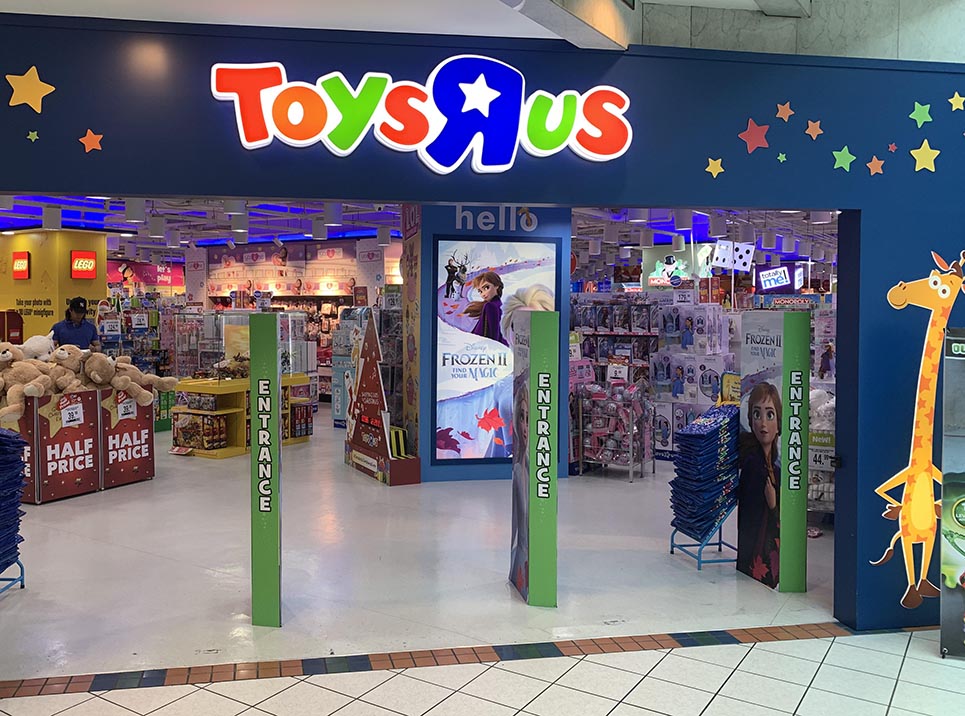
Later, on a friend’s recommendation, I started using ToysRUs more often. The most immediate benefit was the convenience of having everything in one place. There was no need to search all over; a single platform allowed me to see the currently popular toy lines, and the categorization was very clear—organized by everything from age group to type of interest.
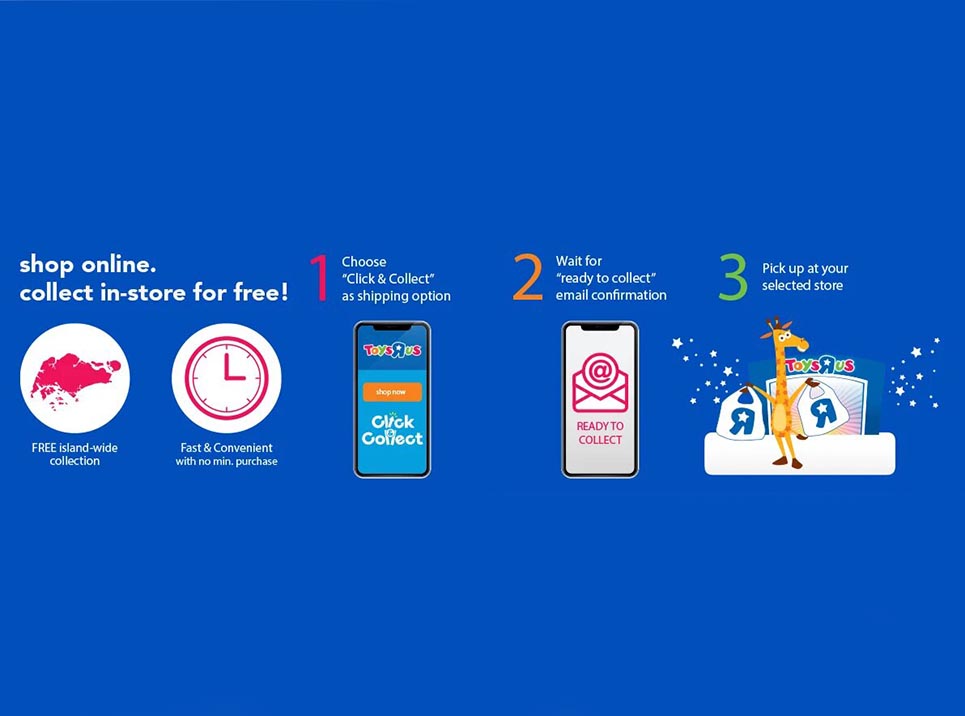
More importantly, I noticed that from May 13 to July 6, 2026, ToysRUs launched its “PLAY ALL SUMMER” mega-sale. They collaborated with major franchises like Star Wars and Toy Story 5 to release new merchandise—offering discounts of up to 50%—while also featuring exclusive limited editions and special price zones at the $25, $50, and $80 tiers. They also rolled out a service allowing customers to order online and pick up in-store. This approach really aligns with summer shopping habits, enabling parents to make choices more efficiently during the period when their children’s interests are peaking.
For me, this is crucial; as a parent, what I lack most isn’t options, but time.
Real experiences shopping at ToysRUs
When I first seriously set out to pick toys at ToysRUs, I did so with a “let’s see how it goes” attitude. To my surprise, the products weren’t just haphazardly piled together; there was a clear, logical system of categorization. For instance, I can filter products directly by age—which is incredibly helpful for a parent like me who isn’t always sure about the “right age” for a toy—or browse by category (such as building blocks, role-play sets, or educational toys) to quickly narrow down my options.
Another feature that puts my mind at ease is the centralized display of trending toys; it allows me to instantly spot the “viral hits” kids are currently talking about. I don’t have to cross-reference multiple platforms or worry about buying the wrong version or an age-inappropriate product.
In terms of the user experience, it feels more like a curated collection of toys that have already been vetted for me, rather than just a standard online store.
A few clear “viral trends” I’ve noticed
Based on my observations over this period, I’ve identified a few distinct categories of popular toys.
The first category consists of toys tied to animated series or characters. Whenever a favorite show releases new content, the associated toys immediately take center stage. Their popularity is essentially driven by the storyline itself.
The second category includes building blocks and assembly sets. These have always been popular—and are gaining even more traction—because they offer more than just play; they allow for continuous creation. Kids can play with them repeatedly, achieving a different result every time.
The third category comprises educational toys with a learning component, such as logic games, simple coding robots, and science experiment kits. These are highly popular among parents because they offer clear educational value alongside entertainment.
You can find product lines for all these categories at ToysRUs, and their inventory is updated quite frequently.
Why do these toys stay popular?
At first, I thought these were just passing fads, but my perspective has since changed. I realized that the common thread among these toys isn’t just novelty—it’s the immersive experience they offer.
Children aren’t just owning a toy; they are participating in a story, completing a mission, or interacting with others. It’s an ongoing experience rather than a one-off event.
Plus, with content platforms constantly updating, new characters and ways to play keep emerging, which sustains the hype rather than letting it fizzle out quickly.
It’s not the toys that have changed—it’s how we choose them
Looking back, what strikes me most isn’t how much the toys themselves have changed, but rather how our methods of gathering information and making choices have evolved. In the past, the approach was simply “buy whatever catches the eye”; now, it is a process of “being influenced by content first, then actively seeking out the product.” Children’s interests shift rapidly, and the lifecycle of trending toys has shortened—presenting a new challenge for parents.
Given this landscape, I prefer to rely on a reliable, centralized channel—such as ToysRUs—to help me filter through the options. It ensures I am not completely overwhelmed when faced with a flood of information.
Reimagining the Relationship Between Toys and Growth
The sudden viral success of these toys is no accident; it is the result of a convergence of content dissemination, interactive experiences, and social influence. For children, they represent an extension of fun; for parents, they have become a new kind of decision-making challenge.
For me, the biggest shift during this period is that I no longer view toys as items to be bought haphazardly. Instead, I now take the time to understand the logic behind their popularity and the role they play in my child’s development.
Throughout this process, ToysRUs acts as a “filter,” helping me navigate a complex array of choices more efficiently and making it easier to keep pace with my child’s ever-changing interests.